Kontrol — a worked ISMS dossier
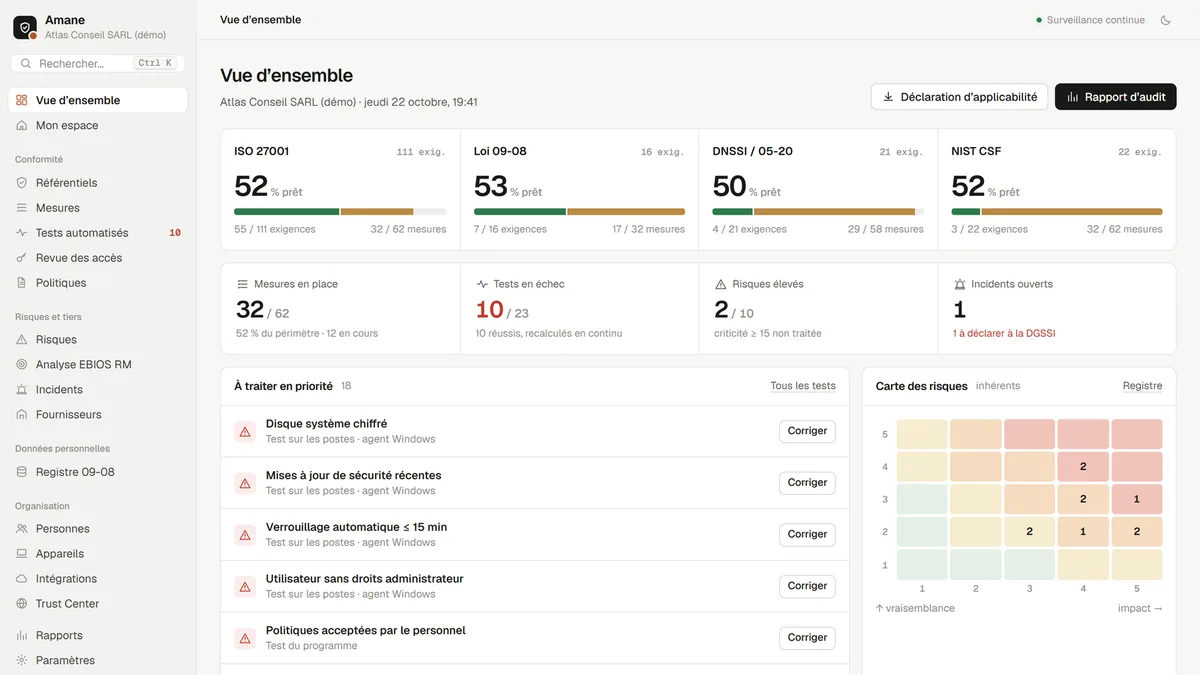
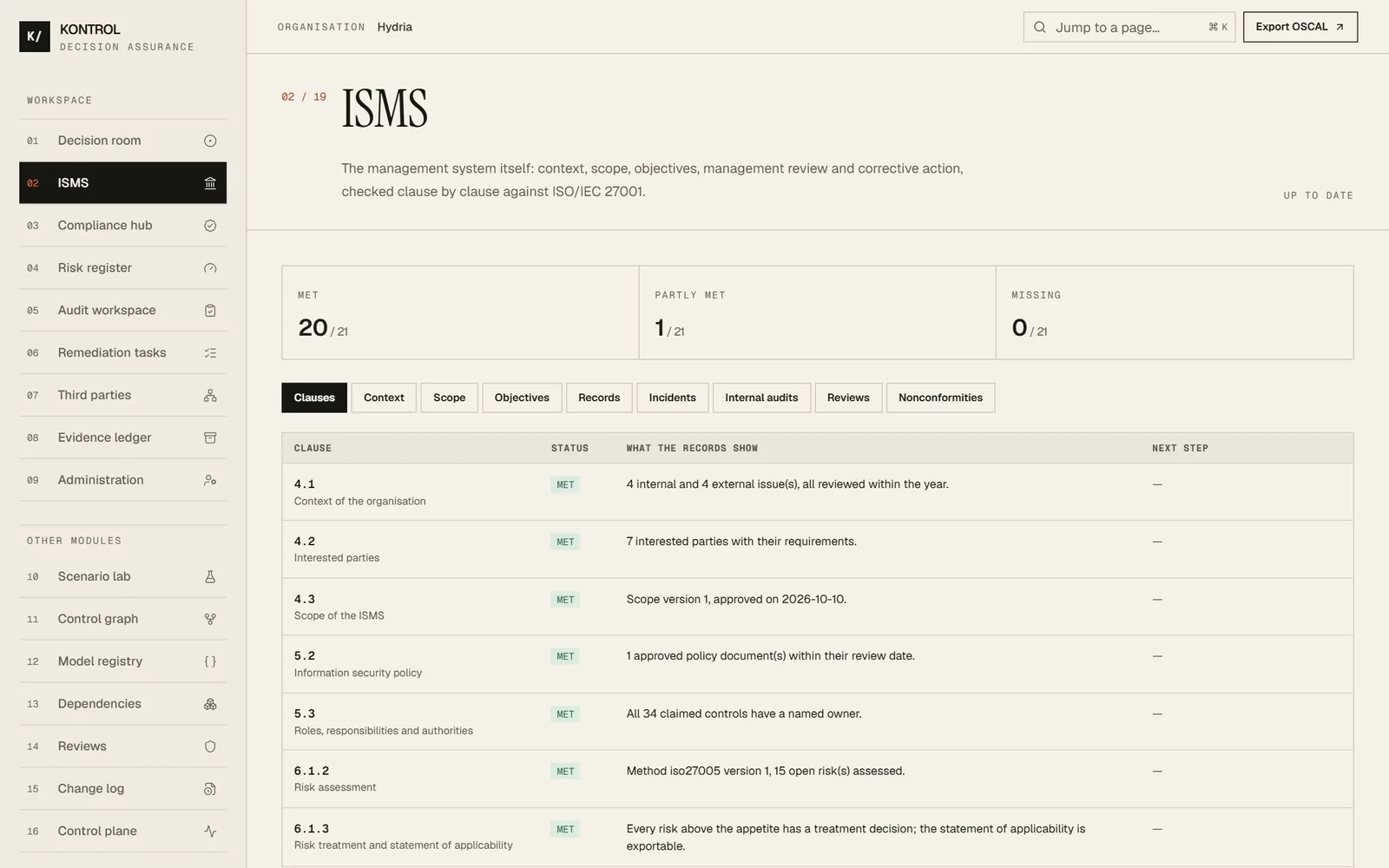
A governance platform I built, run on a complete case: the ISO/IEC 27001 management system of a fictional water utility. 20 of 21 clauses met, 15 risks assessed, and what is not finished left visible.
Work · 16 documented projects
A worked governance dossier, detection pipelines, forensic and malware investigations, adversary emulation and security audits. Every project ships with its architecture, the evidence, and the lessons from getting it to work.

A governance platform I built, run on a complete case: the ISO/IEC 27001 management system of a fictional water utility. 20 of 21 clauses met, 15 risks assessed, and what is not finished left visible.

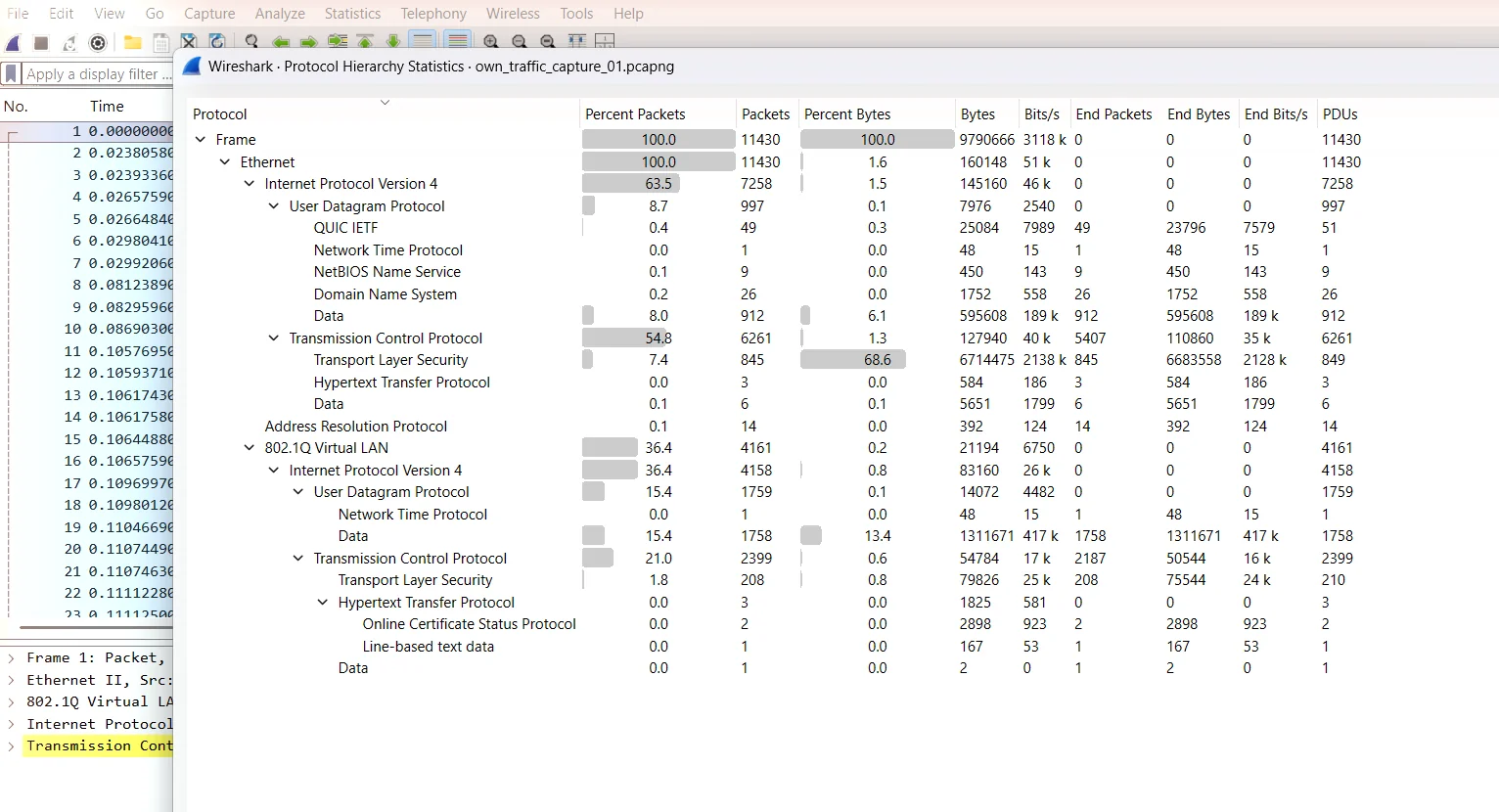
A self-hosted compliance platform for small Moroccan companies: ISO 27001, Law 09-08 and the DNSSI through one set of controls, checked continuously on laptops and Microsoft 365. 66 unified controls, 23 automated checks, 81 end-to-end tests.

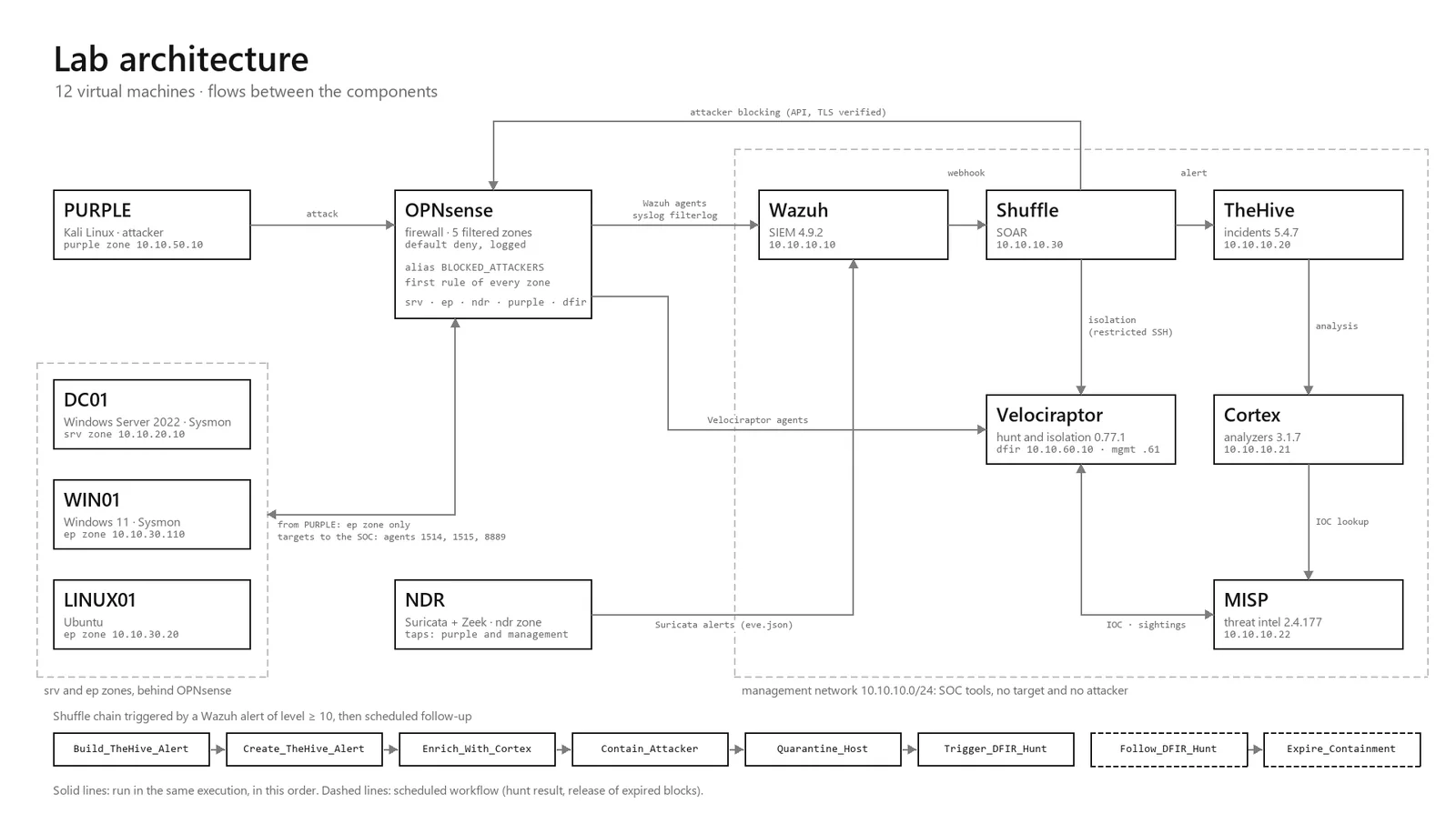
Twelve virtual machines on one PC, from detection to response. One attack followed end to end: attacker blocked at the firewall 24 seconds after the alert, host isolated, hunt launched, case closed — every step with its evidence.

A real-time alert pipeline that turns raw Wazuh detections into deduplicated, severity-routed notifications — built with n8n so triage doesn't start from a flooded inbox.

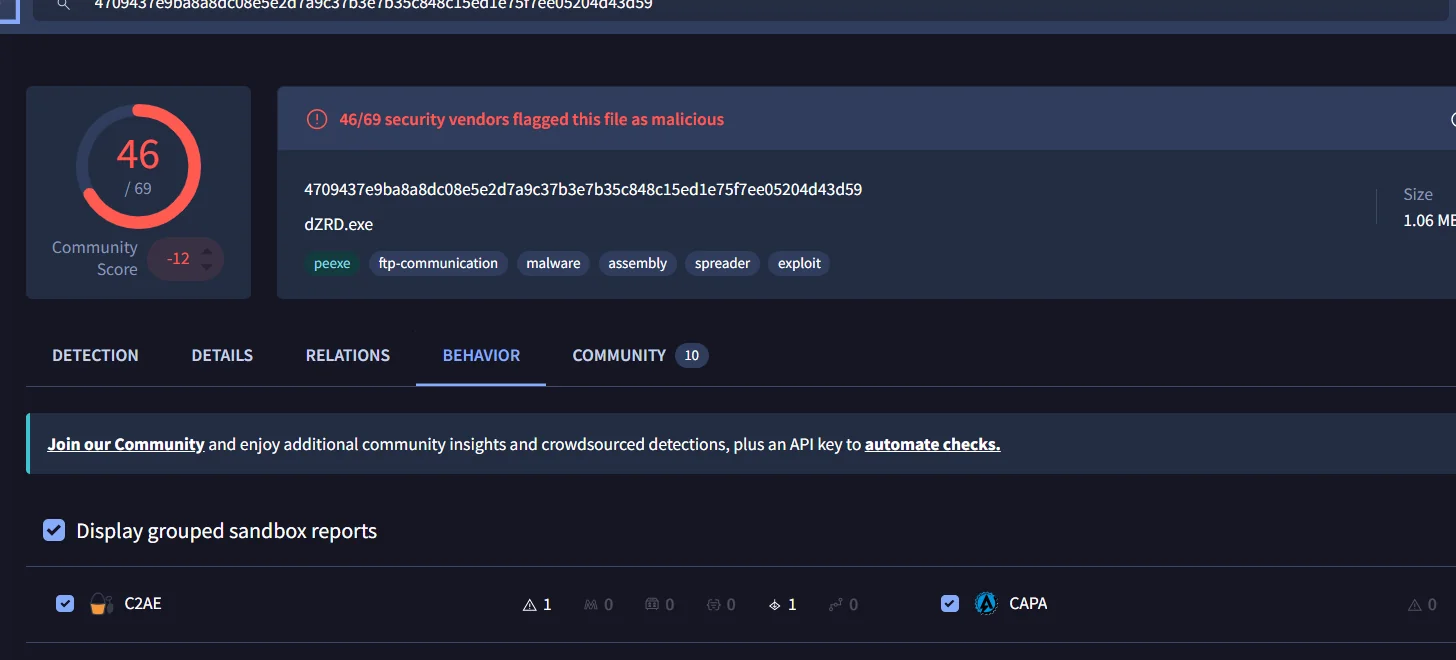
Static and dynamic analysis of 5 real malware samples, fully isolated inside a REMnux sandbox — behavior, IOCs, and technique mapping documented for each one.

Five real malware investigations worked end-to-end from packet capture to Sigma rules and exported IOCs, mapped against MITRE ATT&CK the whole way.

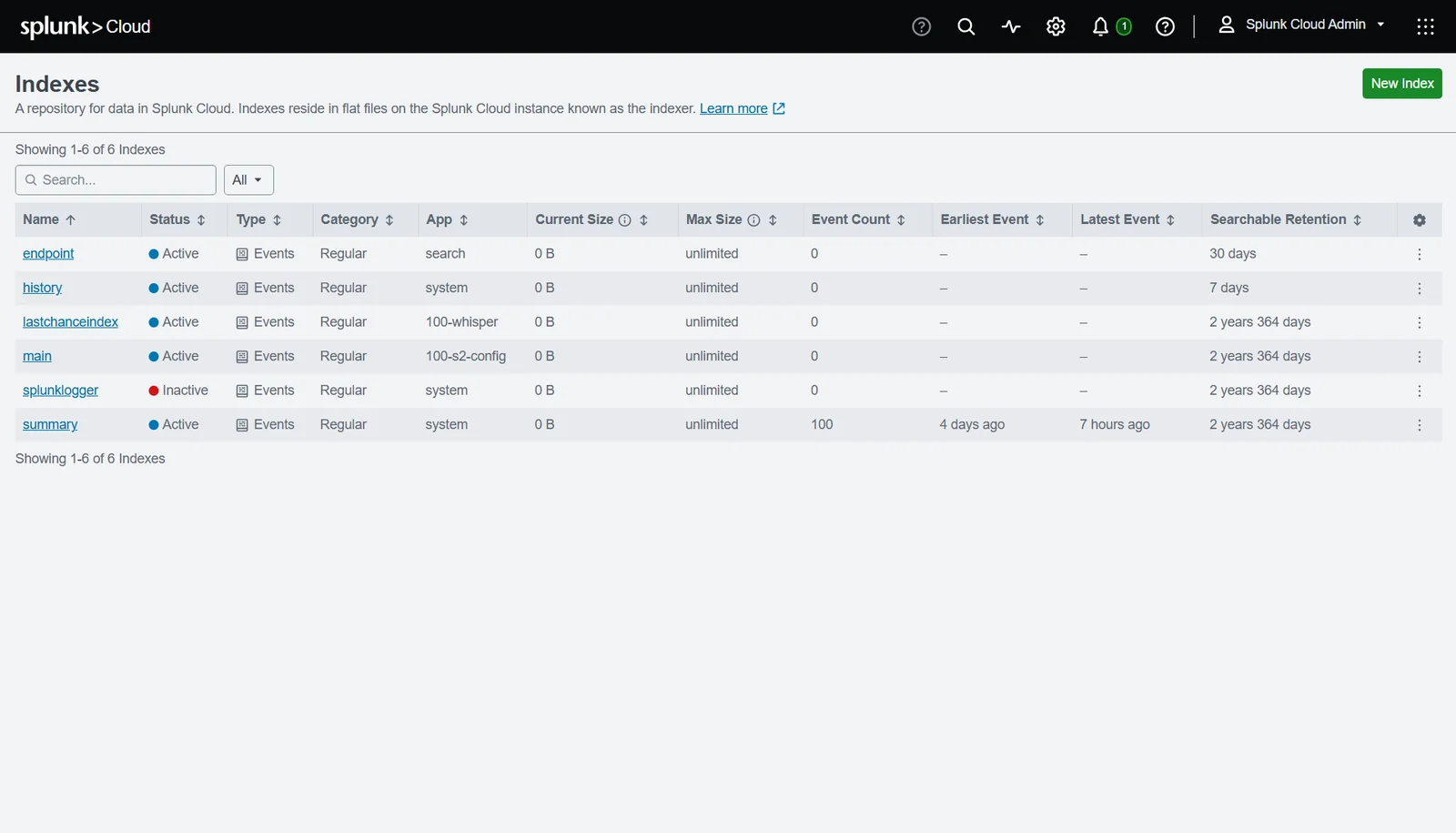
A Splunk Cloud lab documenting Windows log ingestion and Sysmon forwarding, with detection searches for brute-force and PowerShell misuse written and tested end-to-end.
A lab-safe emulation range that replays real adversary playbooks so you can answer the only question that matters: would we actually have caught this?
A dual-chain pharmaceutical platform I built and then audited — 19 findings identified and remediated, including a reentrancy flaw, with security scanning wired into CI.
Built during my 2026 SOC internship at Amendis: a local Gemma2 9B model triages real Wazuh detections and hands off to TheHive, Cortex, and MISP — 100% MITRE match vs. 40% for the SIEM baseline alone, with severity routing kept strictly off the LLM's own output.

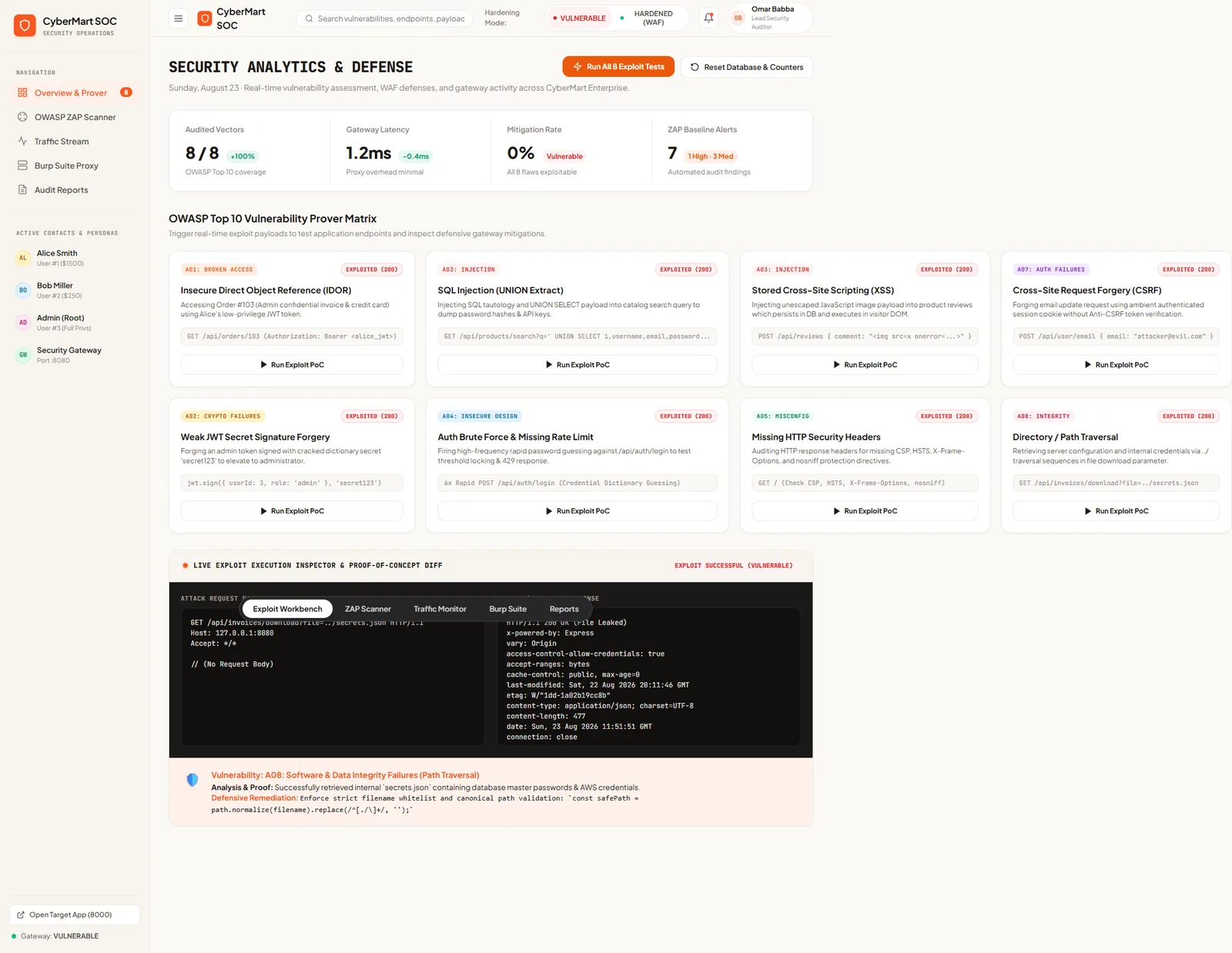
A dual-mode hardening gateway that runs the same OWASP Top 10 exploits against a vulnerable and a hardened path of one app — plus a self-discovered drive-by localhost RCE and a stateful SIEM correlation engine.

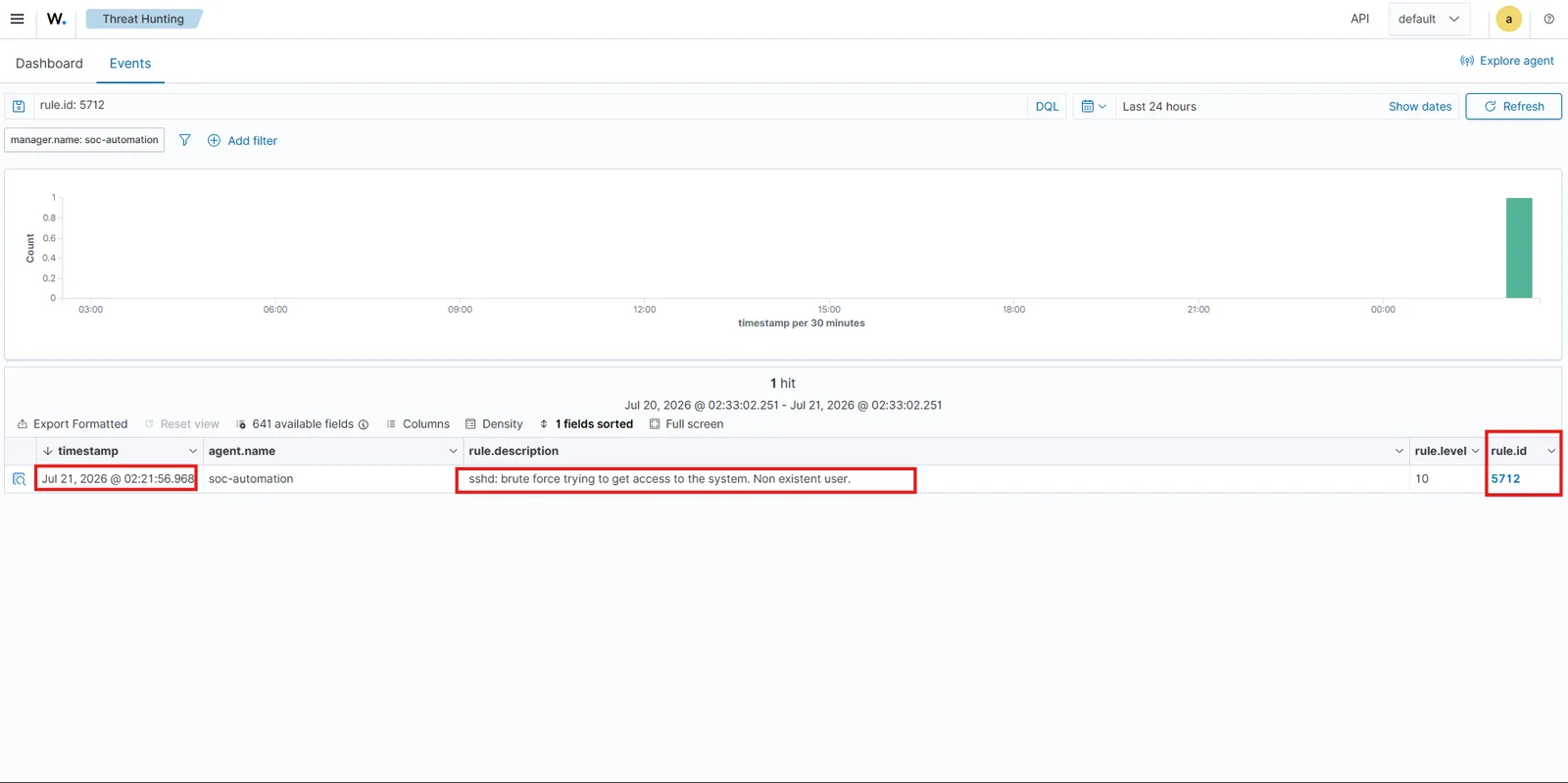
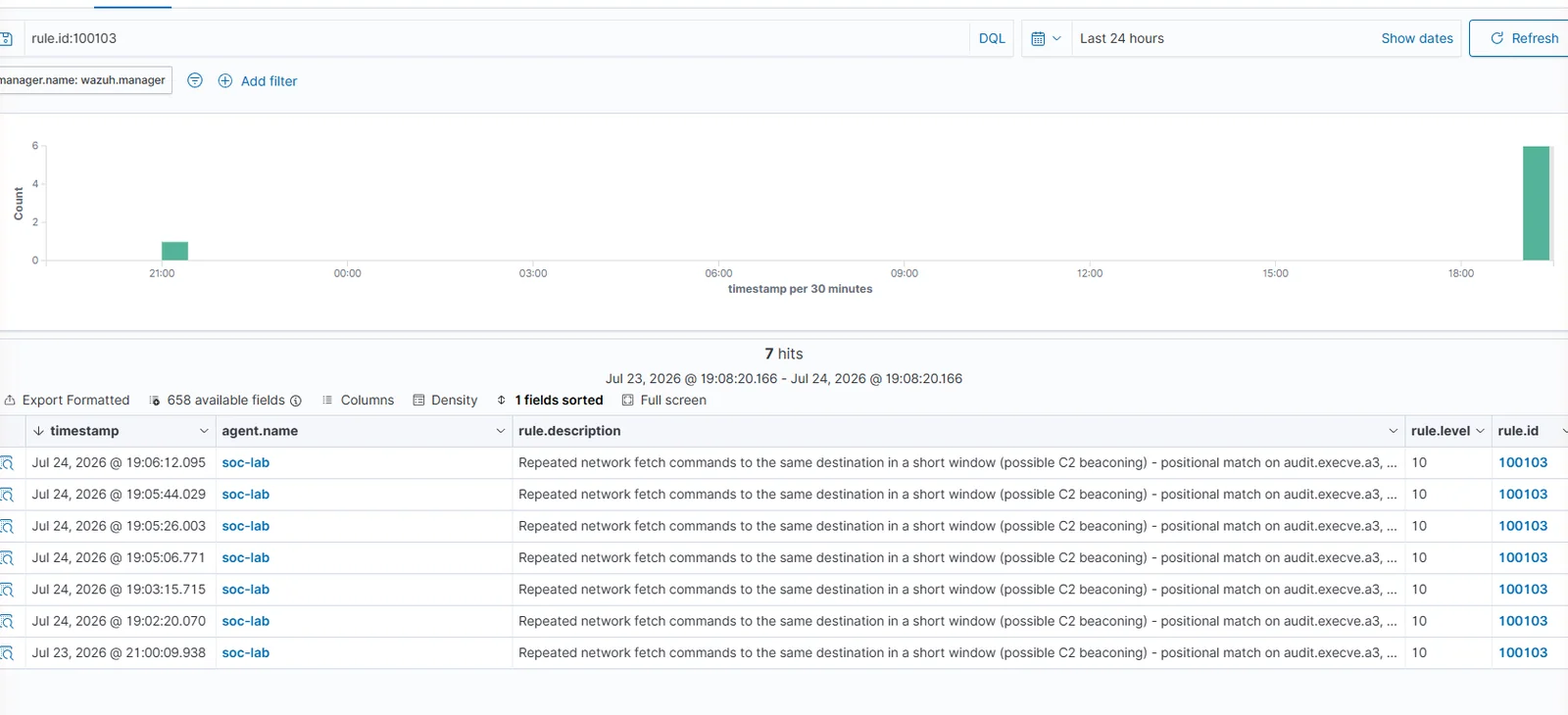
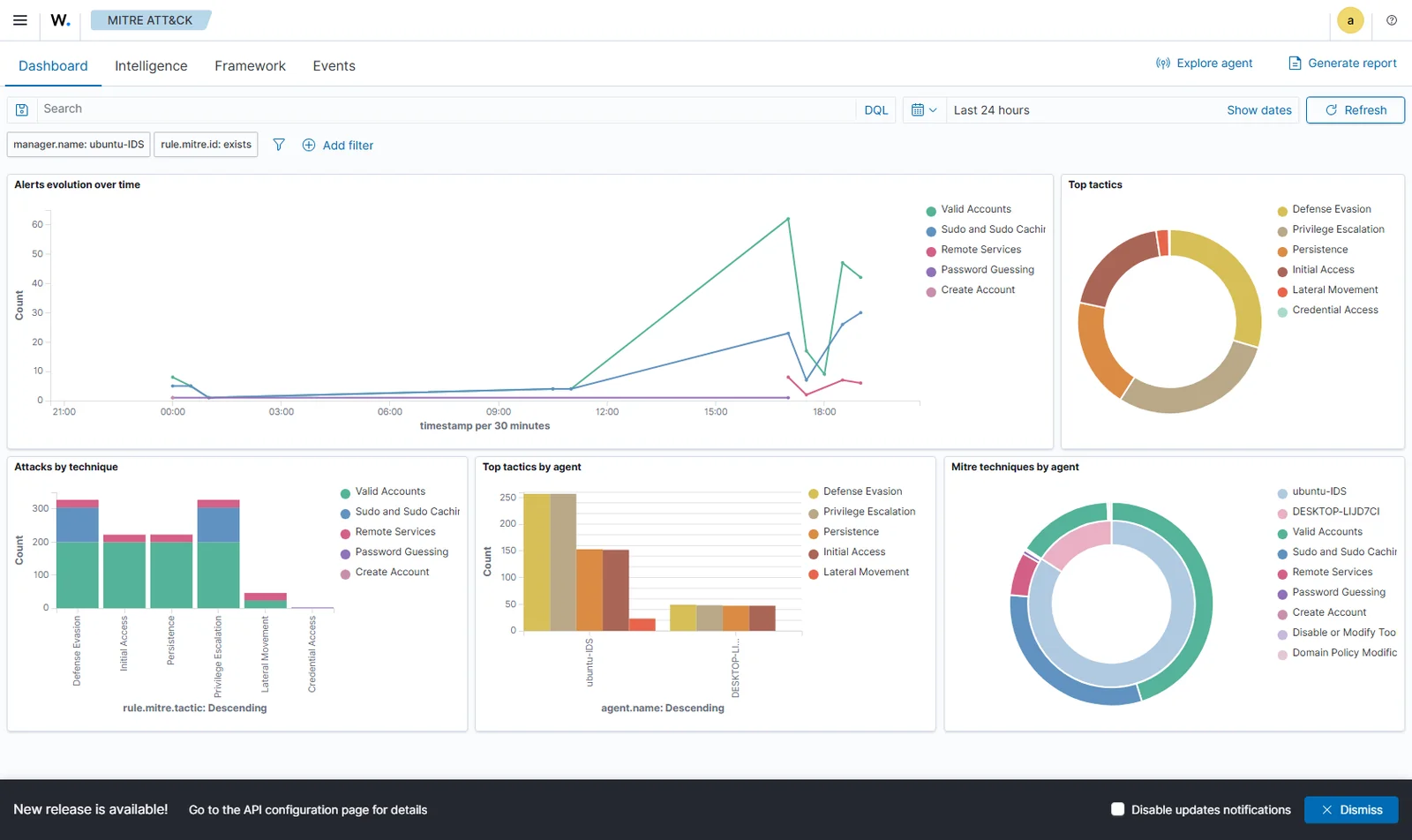
A real Windows 10 endpoint monitored end-to-end: Sysmon telemetry into a Wazuh SIEM, validated with a genuinely causal 6-phase ATT&CK kill chain and 6 custom detection rules, every one verified firing against the live indexer.
Five NIST SP 800-61 / SANS-aligned runbooks — phishing, malware, account compromise, data breach, DDoS — each built as a decision tree, not a checklist, so any analyst on shift handles it the same way.
A RAG/agent system built twice — vulnerable and hardened — so every OWASP Top 10 for LLM fix can be demonstrated against the exact same attack, not described in the abstract.

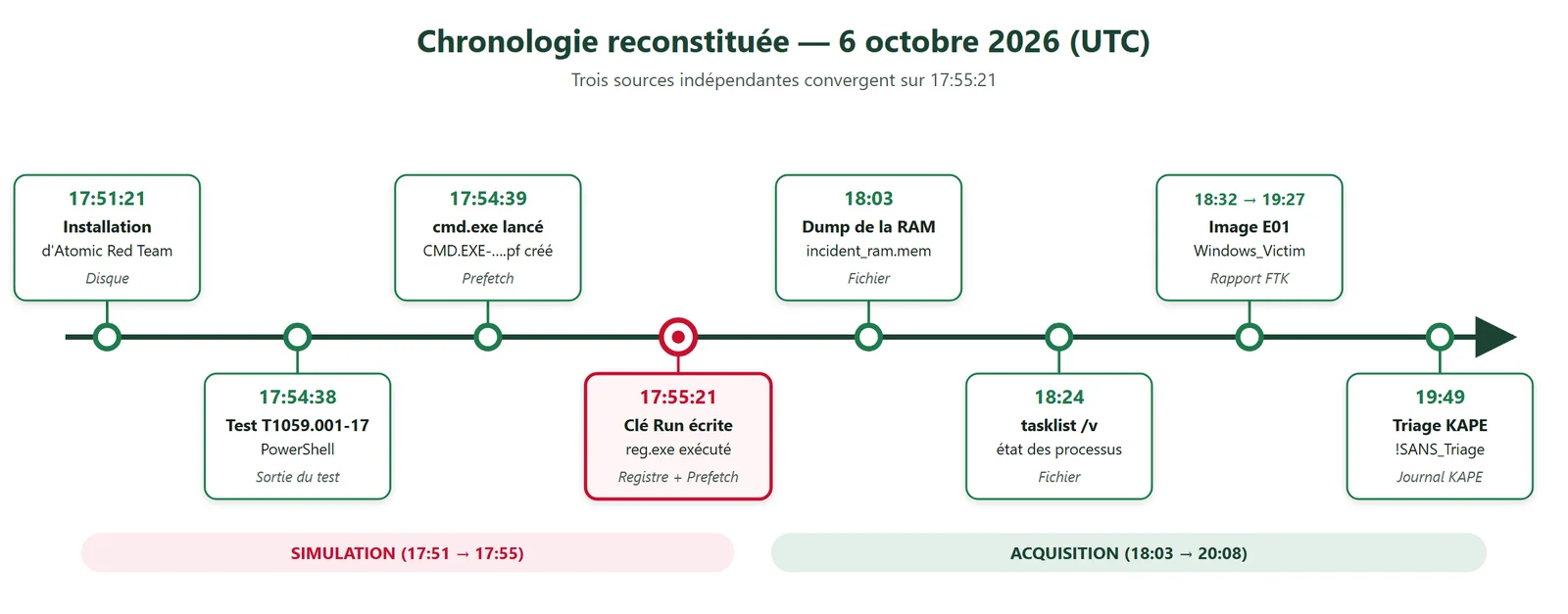
Memory, disk and triage acquired in order of volatility, then a simulated incident reconstructed from Prefetch and the registry — persistence dated to the second by independent sources, with hashes and chain of custody.

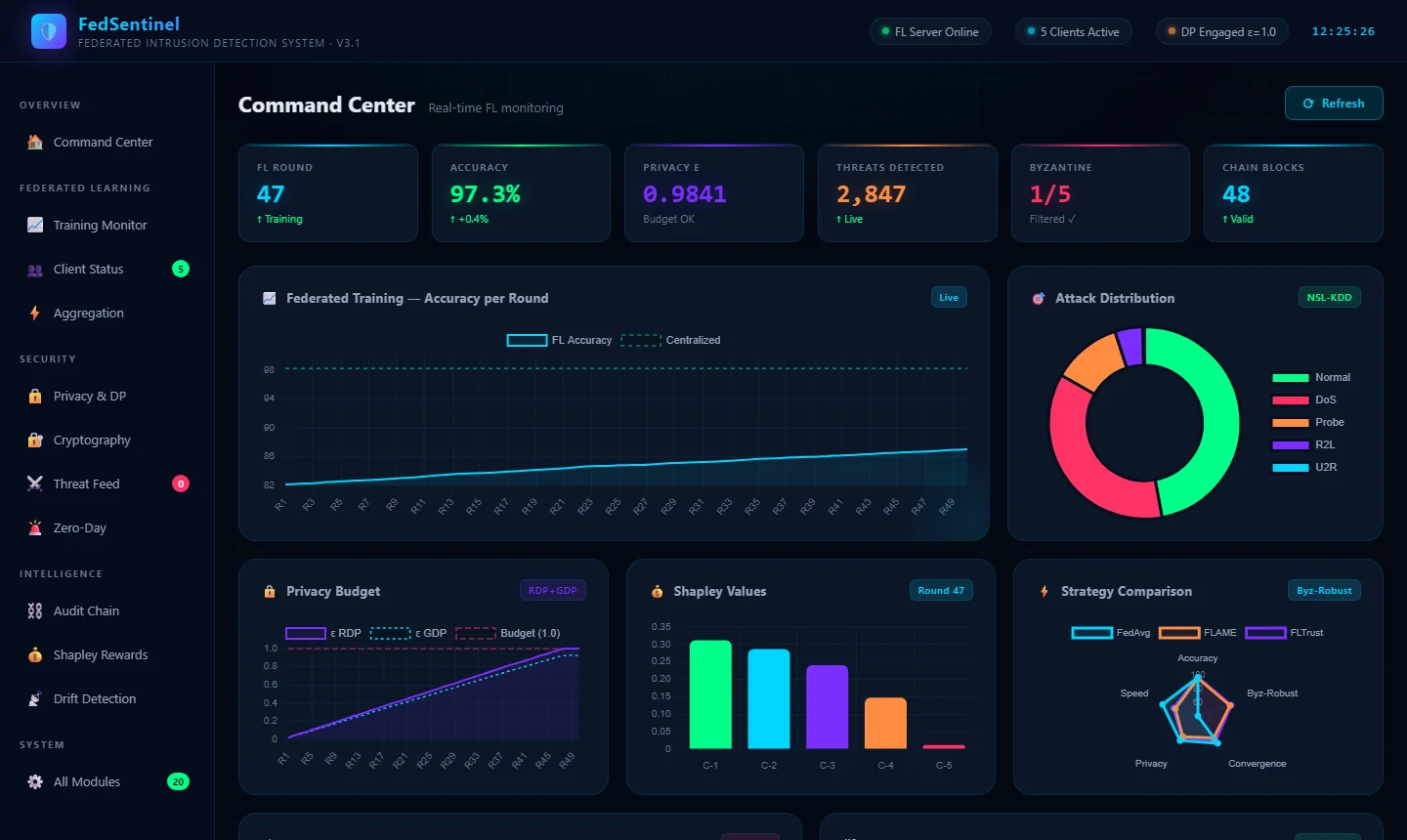
A research prototype of federated learning for intrusion detection, studied as an attack surface: poisoning, free-riding and inference attacks, each paired with its published defence — and a clear account of what it does not prove.
Happy to walk through the architecture, the failed attempts, or the design decisions.